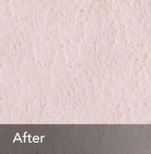
How to Use Anti-Fungus Paint for Exterior walls?


The fungus can grow on any surface which is wet and has organic matter to feed on. This includes walls, floors, ceilings, and furniture. It can cause a wide range of health problems, depending on the type of fungus and how they appear on the wall.

If you see fungus on the wall, you should remove it as soon as possible. Be sure to wear a mask and gloves when cleaning mould, and avoid breathing in the spores.

It can be a major problem in any home, and is difficult to remove therefore you need to follow the tips & get to know how to use nippon anti-fungus paint Solution.


Wall Fungus

- Remove all algae or fungus growth by a high-pressure water jet or scrubbing.

- Be sure to wear gloves and a mask when cleaning mould, and make sure the area is well-ventilated

- Allow the area to dry completely before painting or re-painting.


Fungicidal Wash
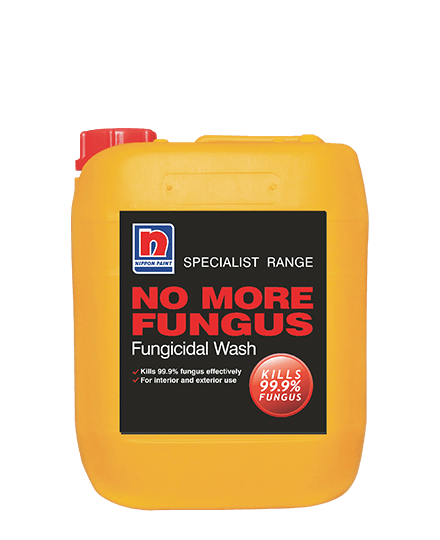
No More Fungus 

- Effective low toxicity bacterial, fungal and algae wash which will kill all film spoilage species.

- Apply fungicidal wash over entry substrates by painting, scrubbing or spraying and allow it to remain on the surface for 24 hours or overnight to eliminate fungal spore.

5100 Wall Sealer 
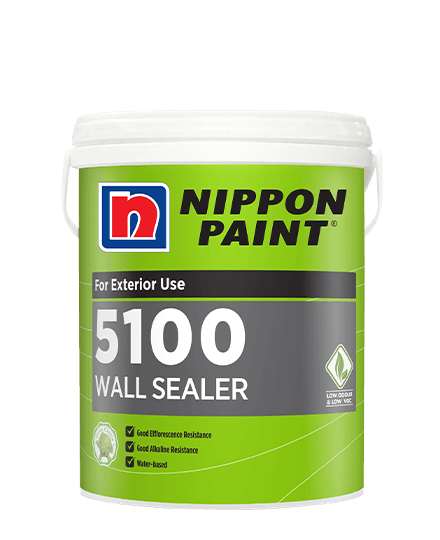
5100 Wall Sealer 


Protects finishing coats against the effects of mild alkalinity and efflorescence.

Weatherbond Solareflect
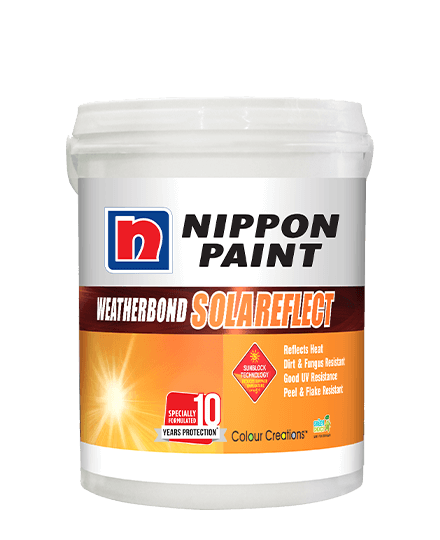
Weatherbond Solareflect

It reflects heat and cools your house.


If you are facing the problem of fungus occurrence on house walls & worried about how it appears on the wall so call us at 1-800-88-2663, our Nippon Paint Experts can guide you on this. In addition, you can explore our nippon anti-fungus solution & recommended anti-fungus paint products for wall problems.


Original Source - Read more: https://www.nipponpaint.com.my/tips-solutions/problems-solutions

Comments

Popular posts from this blog

A Step-by-Step Guide to a Professional Kitchen Cabinet Finish!

Introduction: Repainting kitchen cabinets can be a cost-effective way to revive your kitchen for a fresh & updated look. However, achieving professional results requires careful planning and execution. Through this guide, we'll provide you with expert tips & tricks to ensure your kitchen cabinet repainting project is a success. Thorough Cleaning: Before you start painting, it's crucial to clean the cabinets thoroughly. Use a grease-cutting cleaner to remove built-up grime, oils, and residues. This ensures proper adhesion of the paint and a smooth finish. Remove Hardware and Doors: Take the time to remove all cabinet hardware and, if possible, the cabinet doors. This makes the painting process more manageable, allows for even coverage, and prevents accidental drips and runs. Surface Preparation: Proper surface preparation is key to a lasting finish. Sand the cabinet surfaces to create a rough texture for the paint to adhere to. Fill any dents or imperfections with wood f...

When and How to Repaint an Attractive Home Exterior?

  Repainting the exterior house is a vital maintenance task to keep it looking its best and protect it from the elements. The frequency of repainting largely depends on several factors, including the type of paint , climate, and the quality of the previous paint job. Here's a comprehensive guide on when and how to repaint your home's exterior for an attractive look- 1. Signs it's Time for Repainting - Fading: If the house paint colour has noticeably faded, it's time for a refresh. Cracking and Peeling: Cracked or peeling paint is a clear indicator that repainting is necessary. Chalking: When you rub the paint, and a powdery residue comes off, it's a sign of weathering. Wood Rot: If you notice wood rot on the exterior, address it promptly, as this can impact the paint's adhesion and appearance. Visible Stains: Stubborn stains that won't come off with cleaning might require repainting. 2. Consider the Type of Paint - Quality Matters: High-quality paints ...

Guide to Solving 7 Common Paint Problems

Recognizing the issues you may experience can prove costly and after all your hard work, when things go wrong, it can be disappointing, to say the least. Have a look at the Solutions to common paint problems! 1. Bubbling Paint: Bubbling paint is the result of moisture or heat preventing the paint from adhering to the surface properly.    Suggestion - To fix bubbling paint, scrape away the affected area and sand the surface to ensure a smooth finish. Apply a primer before repainting the area.    Solution - Solve the bubbling paint problem with Weatherbond Flex paint. This product is mainly created for exterior house painting. It is Easy to apply and forms a smooth protecting surface.   2. Chalking Paint: Chalking paint is caused by the breakdown of the paint's binders due to weathering and UV rays.    Suggestion - To fix chalking paint, scrub the affected area with a mixture of water and trisodium phosphate (TSP). Rinse and allow to dry ...