
DIY Painting Techniques: Add Visuals to Your Home!

Colour Blocking:

Create bold and modern statement walls by using contrasting paint colours in geometric shapes.


Colour Blocking

Ombre Effect:

Achieve a subtle and elegant gradient by blending colours from light to dark for a unique wall or furniture finish.


Ombre Effect

Stenciling:

Add intricate patterns and designs to your walls or furniture using stencils for a customized and artistic touch.


Stenciling

Textured Finishes:

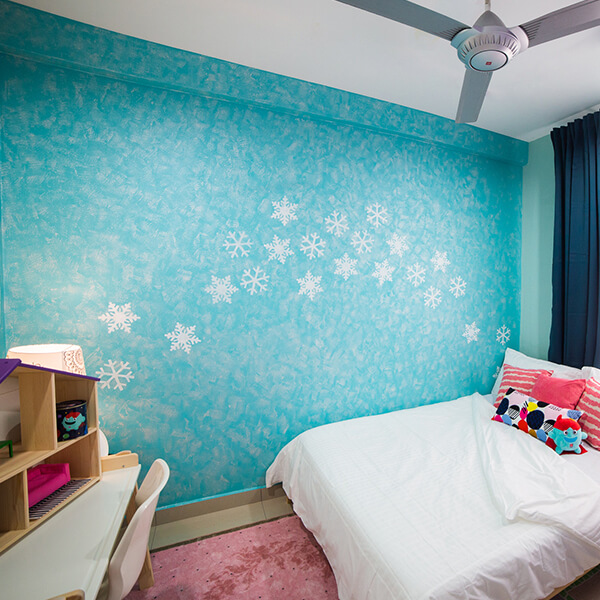
Create depth and texture on your walls with techniques like sponge painting, rag rolling, or combing for a visually captivating look.


Textured Finishes

Faux Finishes:

Mimic the look of expensive materials like marble, wood grain, or brick with faux finishes, giving your home a luxurious appearance.
 

Faux Finishes

Accent Walls:

Make a statement by painting one wall with a bold colour or eye-catching pattern, instantly drawing attention to a focal point in the room.


Accent Walls

Painted Furniture:

Transform old or plain furniture with paint by adding vibrant colours, distressing techniques, or unique designs for a personalized touch.


Painted Furniture

Maintenance Tips:

Ensure your painted surfaces last by regularly cleaning them with appropriate products and conducting touch-ups as needed.

Remember to gather the necessary materials, prepare the surface properly, and practice your chosen technique on a small area before tackling the entire wall. DIY painting techniques allow you to personalize your space and showcase your creativity while adding visual interest and unique touch to your home.

Comments

  1. The article writing is really great and informative. Will be looking further for these types of posts. Thanks.
    Regards: Studio Painting Doha

    ReplyDelete

Post a Comment

Popular posts from this blog

A Step-by-Step Guide to a Professional Kitchen Cabinet Finish!

Introduction: Repainting kitchen cabinets can be a cost-effective way to revive your kitchen for a fresh & updated look. However, achieving professional results requires careful planning and execution. Through this guide, we'll provide you with expert tips & tricks to ensure your kitchen cabinet repainting project is a success. Thorough Cleaning: Before you start painting, it's crucial to clean the cabinets thoroughly. Use a grease-cutting cleaner to remove built-up grime, oils, and residues. This ensures proper adhesion of the paint and a smooth finish. Remove Hardware and Doors: Take the time to remove all cabinet hardware and, if possible, the cabinet doors. This makes the painting process more manageable, allows for even coverage, and prevents accidental drips and runs. Surface Preparation: Proper surface preparation is key to a lasting finish. Sand the cabinet surfaces to create a rough texture for the paint to adhere to. Fill any dents or imperfections with wood f...

Know How to Choose Paint Colours for Your Entire House

There are a few things to keep in mind while choosing  House painting colours . If you want to create a cohesive look throughout the house, so it is important to consider the colours of each room and how they will flow together. You can use the Nippon colour wheel to choose the best colour coordination for your home.  Nippon  presents a wide range of  Paint colours  for interior and  exterior house painting that  complements the style of your home. Explore the Nippon Paint colours here.

When and How to Repaint an Attractive Home Exterior?

  Repainting the exterior house is a vital maintenance task to keep it looking its best and protect it from the elements. The frequency of repainting largely depends on several factors, including the type of paint , climate, and the quality of the previous paint job. Here's a comprehensive guide on when and how to repaint your home's exterior for an attractive look- 1. Signs it's Time for Repainting - Fading: If the house paint colour has noticeably faded, it's time for a refresh. Cracking and Peeling: Cracked or peeling paint is a clear indicator that repainting is necessary. Chalking: When you rub the paint, and a powdery residue comes off, it's a sign of weathering. Wood Rot: If you notice wood rot on the exterior, address it promptly, as this can impact the paint's adhesion and appearance. Visible Stains: Stubborn stains that won't come off with cleaning might require repainting. 2. Consider the Type of Paint - Quality Matters: High-quality paints ...